ICE-Physiological Benefits of Plyometric Training with an Elevation Mask
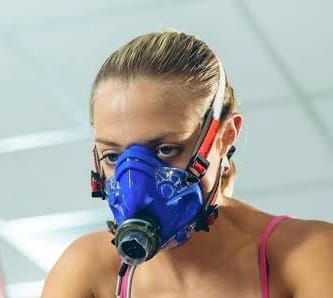
Plyometric training performed while wearing an elevation mask represents a unique combination of neuromuscular power development and respiratory muscle conditioning. Plyometrics are explosive exercises that utilize the stretch-shortening cycle of muscle contraction, including jump squats, box jumps, lateral bounds, sprint starts, and medicine ball throws. When these exercises are combined with an elevation mask, the athlete experiences increased respiratory resistance, creating simultaneous stress on both the musculoskeletal and cardiorespiratory systems.
The primary physiological benefit of plyometric training is the development of explosive power through enhanced recruitment of fast-twitch (Type II) muscle fibers. These fibers are responsible for producing high levels of force in short periods of time. During explosive movements, the nervous system learns to recruit a greater percentage of available motor units more rapidly, resulting in improved rate of force development, vertical jump performance, sprint acceleration, agility, and overall athletic explosiveness.
The addition of an elevation mask increases the workload placed upon the respiratory muscles, particularly the diaphragm, external intercostals, and accessory breathing muscles. Because breathing becomes more difficult, these muscles must generate greater force during inhalation and exhalation. Over time, respiratory muscle strength and endurance improve, reducing respiratory fatigue during high-intensity exercise. This adaptation may allow athletes to maintain higher performance levels during repeated bouts of explosive activity.
Plyometric exercise places significant demands on the anaerobic energy systems, particularly the ATP-PC and glycolytic pathways. During repeated jumps, sprints, and explosive movements, the body rapidly consumes stored energy while producing metabolic byproducts such as carbon dioxide and hydrogen ions. Wearing an elevation mask increases ventilatory demand, forcing the respiratory system to work harder to eliminate carbon dioxide and regulate acid-base balance. This may improve the body’s ability to tolerate high-intensity exercise and delay fatigue.
From a cardiovascular standpoint, the combination of explosive movement and restricted airflow elevates heart rate and oxygen demand. The cardiovascular system must work more efficiently to deliver oxygen-rich blood to both the active skeletal muscles and the respiratory muscles. This can improve cardiovascular conditioning and enhance the body’s ability to recover between repeated high-intensity efforts.
For athletes in sports such as tennis, basketball, soccer, football, and mixed martial arts, the combination of plyometric training and elevation mask use may provide sport-specific benefits. Improved lower-body power can enhance sprint speed, change-of-direction ability, jumping performance, and court coverage, while stronger respiratory muscles may improve endurance during long matches or repeated high-intensity rallies.
Additionally, plyometric training improves the stiffness and elasticity of tendons, particularly the Achilles tendon and patellar tendon. Increased tendon stiffness allows for more efficient storage and release of elastic energy, improving movement economy and reducing ground contact time during explosive actions. When combined with enhanced respiratory efficiency, athletes may experience improvements in both power production and work capacity.
It is important to recognize that elevation masks do not create true altitude adaptations such as increased erythropoietin (EPO) production, red blood cell mass, or hemoglobin concentration. Instead, the primary physiological benefit comes from respiratory muscle training and increased breathing resistance. Therefore, the mask should be viewed as a respiratory conditioning tool rather than a substitute for high-altitude training.
In conclusion, plyometric training with an elevation mask can simultaneously enhance explosive power, neuromuscular efficiency, respiratory muscle strength, cardiovascular demand, and fatigue resistance. When incorporated strategically into an athlete’s conditioning program, this combination may improve both anaerobic performance and the ability to sustain repeated high-intensity efforts, making it a valuable training method for power and endurance-based sports.