ICE -Resistance Training with an Elevation Mask
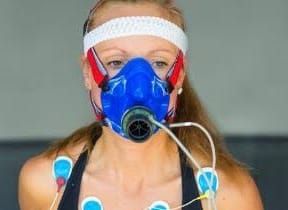
Resistance training combined with an elevation mask can create a unique physiological challenge that may improve cardiovascular endurance, respiratory efficiency, muscular stamina, and athletic performance. Although elevation masks do not perfectly replicate high-altitude environments, they increase breathing resistance, forcing the respiratory system to work harder during exercise. This added respiratory demand can stimulate adaptations in the lungs, diaphragm, cardiovascular system, and skeletal muscles that may benefit both athletes and general fitness populations.
One of the primary benefits of resistance training with an elevation mask is the strengthening of the respiratory muscles, particularly the diaphragm and intercostal muscles. During intense exercise, the body requires greater oxygen delivery to working muscles. The elevation mask restricts airflow resistance, meaning the respiratory muscles must generate more force to inhale and exhale efficiently. Over time, this may improve ventilatory efficiency, allowing athletes to maintain oxygen exchange with less respiratory fatigue. A stronger respiratory system can delay the onset of breathlessness during exercise and improve exercise tolerance.
From a cardiovascular physiology perspective, resistance training already places a significant demand on the heart and circulatory system. When combined with an elevation mask, the body may experience a mild reduction in oxygen availability during intense workloads, increasing cardiovascular stress. In response, the heart works harder to circulate oxygenated blood to active tissues. This can improve stroke volume, cardiac efficiency, and peripheral oxygen utilization. Improved oxygen delivery enhances muscular endurance and may support greater stamina during prolonged activity. Additionally, repeated exposure to controlled respiratory stress may improve the body’s ability to tolerate higher levels of carbon dioxide, which can enhance breathing control and exercise performance.
Muscular stamina is also influenced by metabolic adaptations created through this training method. Resistance exercise with restricted breathing conditions increases the reliance on anaerobic energy systems and challenges lactate tolerance. The body gradually becomes more efficient at buffering metabolic byproducts such as hydrogen ions and lactate, reducing fatigue during repeated high-intensity efforts. This adaptation is especially beneficial for athletes who require repeated bursts of speed, power, and endurance, such as tennis players, combat athletes, and field sport competitors.
Agility and athletic movement may indirectly improve because elevation-mask resistance training increases neuromuscular stress and conditioning demands. When athletes perform explosive movements, sprint intervals, or circuit training under respiratory strain, the nervous system becomes more efficient at coordinating movement under fatigue. This can improve reaction time, movement economy, and the ability to maintain technical skill during physically demanding situations. Athletes who can sustain movement quality under fatigue often perform better during competition.
Exercise science also suggests that challenging the respiratory system may enhance mental toughness and exercise resilience. Learning to control breathing under stress can improve pacing strategies, concentration, and psychological endurance. Controlled breathing patterns are essential in high-performance athletics because they influence heart rate regulation, oxygen delivery, and recovery efficiency.
Overall, resistance training with an elevation mask provides a multifactorial training stimulus that challenges the cardiovascular, respiratory, and muscular systems simultaneously. When used properly and progressively, it may improve respiratory muscle strength, cardiovascular efficiency, muscular endurance, stamina, agility, and fatigue resistance. However, it should be integrated carefully into training programs to avoid excessive fatigue or improper breathing mechanics.